The Allure of Casinos
Gambling in casinos is more than just a game of chance; it is an intricate psychological experience that attracts millions worldwide. The bright lights, vibrant sounds, and luxurious settings create an environment designed to stimulate excitement and desire. This carefully crafted atmosphere, often referred to as the “gambling habitat,” immerses players in a world where their senses are heightened, compelling them to engage in various games, from slot machines to poker tables, and the appeal of online betting canada adds another layer of excitement, captivating their attention and encouraging prolonged participation.
The intricate design of casinos plays a crucial role in influencing behavior. For example, the absence of clocks and windows obstructs the perception of time, allowing players to lose track of hours spent gambling. This manipulation creates a sense of urgency, as participants become engrossed in the thrill of risk-taking. The layout of gaming machines and tables is strategically planned to maximize exposure and interaction, enhancing the likelihood of continued play and increasing the casino’s profitability. This intentional design keeps players engaged longer, often leading to increased spending.
Another psychological factor that adds to the appeal of casinos is the social aspect of gambling. Many individuals find a sense of community and camaraderie among fellow players, which can enhance the overall enjoyment of the experience. Players often share tips and celebrate wins together, fostering connections that reinforce their desire to return. This social environment can influence decisions and lead to increased betting, as individuals may feel encouraged to take risks based on the group dynamic. The social interactions within casinos can transform the gambling experience into a shared adventure, enhancing its allure.
The Role of Cognitive Biases
Cognitive biases significantly impact gamblers’ decision-making processes, often leading them to make irrational choices. One prominent example is the “gambler’s fallacy,” the belief that past outcomes influence future results in games of chance. For instance, a player who sees a slot machine not paying out for an extended period may assume it is “due” for a win. This misconception can lead to increased betting and greater overall risk, as individuals chase perceived losses rather than making logical decisions. The allure of a potential win can cloud judgment and incentivize further gambling.
Another bias that plays a role in gambling psychology is the “availability heuristic,” where individuals rely on immediate examples that come to mind when evaluating a situation. If someone recalls a friend winning a substantial amount of money at the casino, they may overestimate their chances of winning and subsequently increase their betting. Such cognitive errors highlight how the human brain can be easily misled, prompting gamblers to ignore statistical probabilities in favor of personal anecdotes and emotional experiences. This misalignment of perception and reality can lead to more reckless gambling behavior.
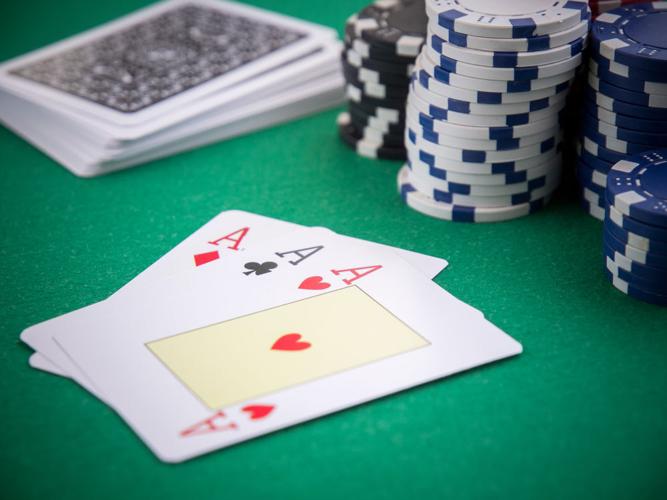
Lastly, the concept of “loss aversion” significantly affects gamblers’ choices. This psychological phenomenon suggests that individuals prefer to avoid losses than acquire equivalent gains. In the gambling context, this means that a player who has lost money may be more inclined to keep gambling in hopes of recouping their losses, leading to potentially detrimental financial decisions. Understanding these cognitive biases is essential for both gamblers and casino operators, as it helps illuminate the underlying psychological mechanics at play in gambling behavior, ultimately influencing how strategies are developed within the gaming industry.
The Impact of Emotion on Gambling Behavior
Emotion serves as a powerful motivator in gambling, influencing not only the desire to play but also the decisions made during the experience. People often gamble to escape negative emotions such as stress or anxiety, seeking the thrill and excitement that games provide as a temporary relief. This emotional escape can create a cycle where individuals increasingly engage in gambling to manage their feelings, leading to compulsive behavior and, in some cases, addiction. The initial thrill can often mask the potential for negative consequences, further entrenching individuals in their gambling habits.
Additionally, the excitement generated by winning, even small amounts, can trigger the release of dopamine, a neurotransmitter associated with pleasure and reward. This biochemical response can create a sense of euphoria, reinforcing the desire to gamble again. As players begin to link gambling with positive emotional experiences, they may overlook the negative consequences of their actions. This emotional reinforcement is a critical element in understanding the psychological draw of casinos, as it highlights how temporary gains can lead to long-term challenges.
Moreover, losses can evoke a range of emotions, from frustration to desperation. The emotional aftermath of losing a bet can lead to impulsive decisions, as players may attempt to “chase” their losses in a bid to regain control. This emotional rollercoaster can make gambling experiences all the more intense, often blurring the lines between entertainment and obsession. The interplay of emotion and gambling behavior highlights the complexity of the psychological factors involved in casino gaming, necessitating a deeper understanding of how emotions can guide decision-making in potentially harmful ways.
Gambling Addiction and Its Psychology
The psychology of gambling can sometimes lead individuals toward addiction, a serious condition that affects various aspects of life. Compulsive gambling, or gambling disorder, manifests when individuals lose control over their gambling behavior, continuing despite negative consequences. Psychological factors such as impulsivity, emotional instability, and a history of trauma can predispose individuals to develop an addiction, contributing to their compulsive engagement with gambling activities. The multifaceted nature of addiction means that treatment must address these underlying psychological issues to be effective.
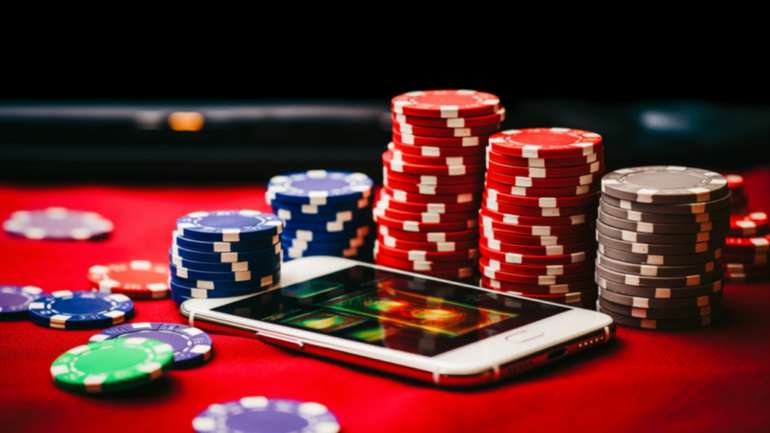
Addiction is often characterized by a cycle of winning and losing, where initial wins encourage continued play and escalate risk-taking behavior. The thrill of potential rewards can override rational thinking, causing individuals to overlook the detrimental effects of their actions. Many who experience gambling addiction often face familial, financial, and emotional issues, further complicating their situation. In such cases, understanding the psychological components of gambling addiction is crucial for effective treatment and support, emphasizing the need for tailored interventions.
Efforts to combat gambling addiction often focus on psychological interventions, such as cognitive-behavioral therapy (CBT), which aims to help individuals recognize and change harmful thought patterns and behaviors. Support groups, such as Gamblers Anonymous, also play a vital role in recovery, offering a communal space for individuals to share experiences and strategies for coping. The importance of psychological understanding in addressing gambling addiction cannot be overstated, as it paves the way for effective prevention and treatment that acknowledges the emotional and cognitive factors at play.
Your Resource for Gambling Insights
At our website, we aim to provide comprehensive insights into the world of gambling, focusing on the psychological aspects that shape player behavior and experiences in casinos. Whether you’re a casual gambler or someone interested in understanding the deeper implications of gambling culture, we offer valuable resources and information to enhance your knowledge. Our content is designed to empower readers with a clearer understanding of the psychological factors at play within casinos, equipping them with tools to navigate their gambling experiences responsibly.
We bring together expert analyses, research findings, and real-life stories to illuminate the various facets of gambling psychology. Our articles delve into topics such as cognitive biases, emotional influences, and addiction, all of which play a significant role in shaping gambling behavior. By exploring these areas, we aim to foster a better understanding of how gambling affects individuals and communities alike, promoting awareness and responsible practices for those engaged in gambling activities.
Lastly, we encourage open discussions around gambling, promoting awareness and responsible play. Our platform serves as a space for individuals to learn, share, and connect with others, highlighting the importance of understanding the psychological dimensions of gambling. By harnessing the knowledge shared on our website, we hope to contribute positively to the conversation surrounding gambling and its psychological implications, ultimately fostering a more informed and responsible gambling community.